In a world where horror constantly reinvents itself, some tropes just won’t die — and that’s a good thing. As we step deeper into 2025, audiences are still captivated by certain classic horror elements, proving that some fears are truly timeless. Whether it’s a slow-burn psychological descent or a chilling paranormal encounter, these tropes continue to deliver goosebumps and sleepless nights.
Here are the Top 5 Horror Tropes That Still Work in 2025 — and why they’re still so terrifying.
1. The Unseen Terror
Sometimes what you don’t see is far scarier than what you do.
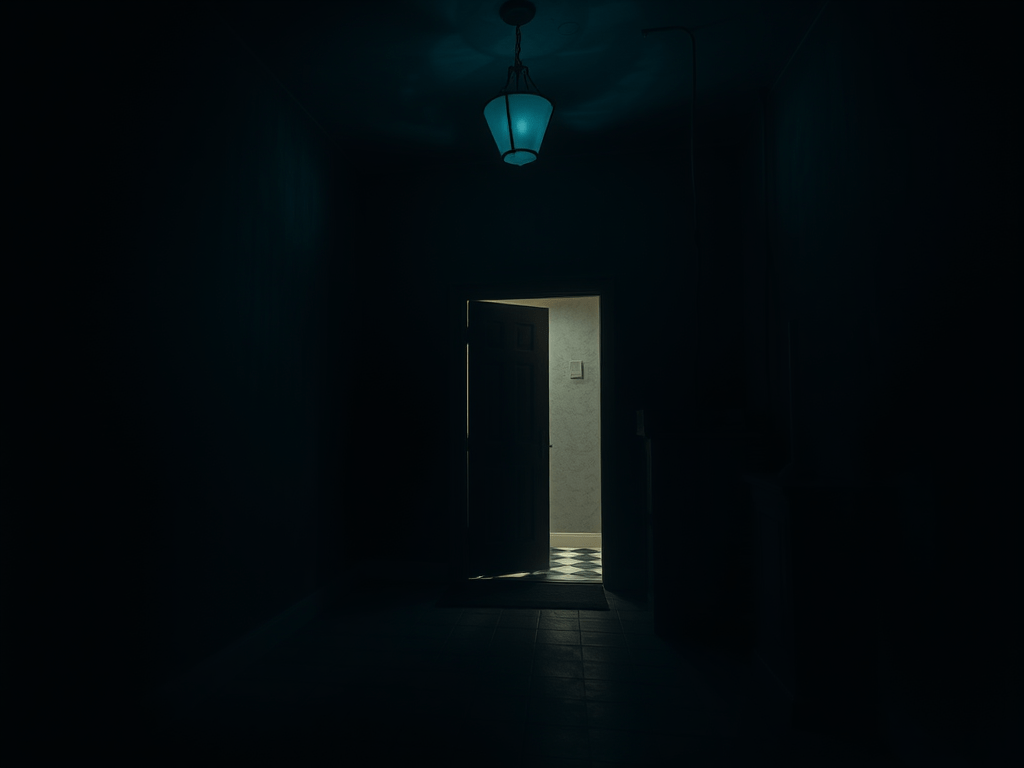
Films, series, and even horror games in 2025 continue to master the art of suggestion. Through clever use of sound design, lighting, and atmosphere, creators leave just enough to the imagination.
When the threat is just out of frame — a creak in the hallway, a whisper behind you — your mind fills in the blanks with something far worse than CGI ever could.
Why it works: Fear of the unknown taps into our deepest, most primal instincts. No matter how advanced technology gets, the dark will always scare us.
2. The Corrupted Safe Space
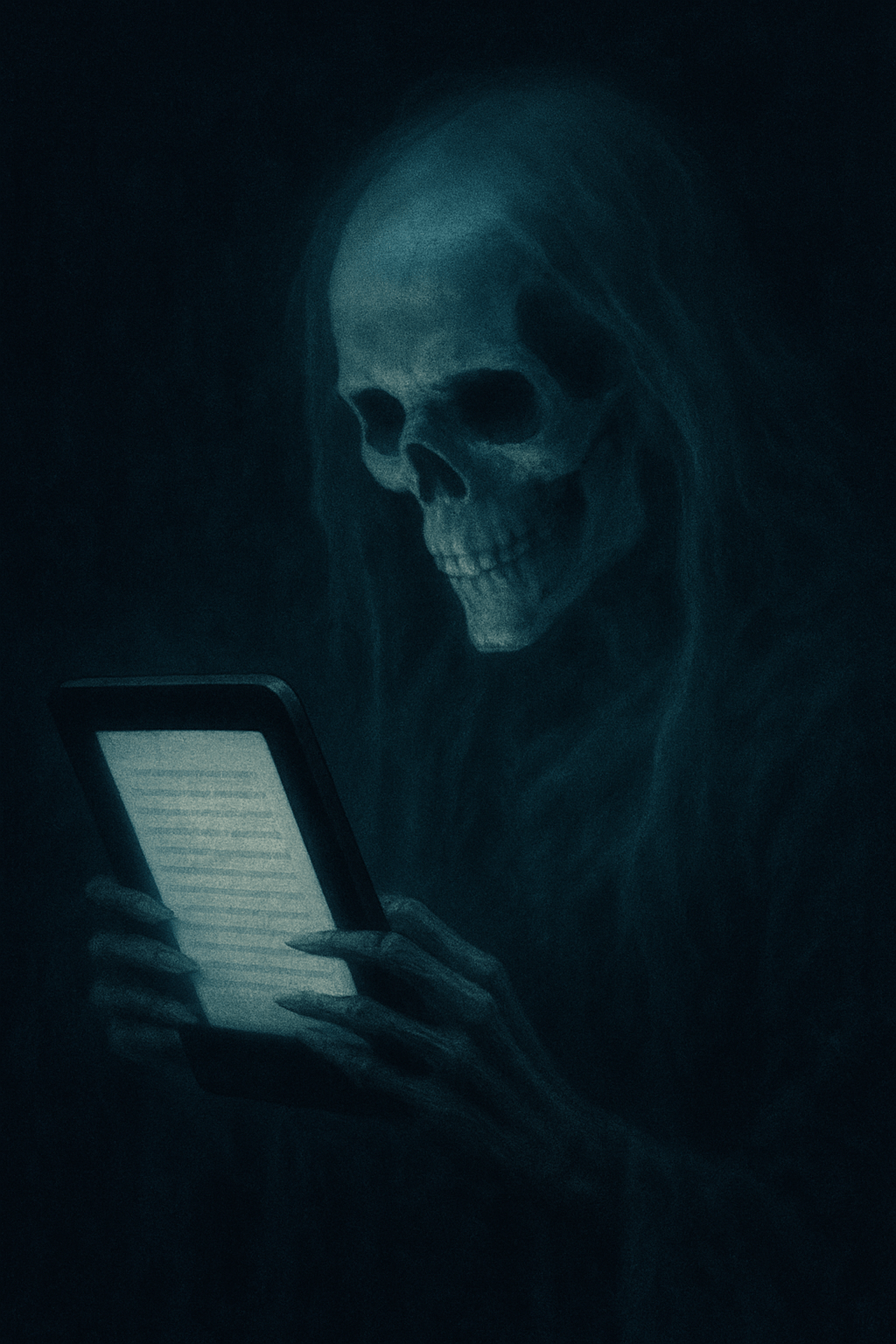
Your home. Your bedroom. Your phone.
These are supposed to be safe places — but when horror invades them, it hits on a new, intimate level.
In 2025, horror continues to blur the line between safety and danger. Stories about haunted smart homes, cursed streaming services, or sinister glitches in everyday devices are becoming even more popular.
Why it works: When horror breaches the places (or objects) you trust most, it feels personal. It’s a betrayal that lingers long after the story ends.
3. The Doppelgänger
Encountering a perfect copy of yourself — but something is just… off.
The doppelgänger trope remains incredibly potent in 2025, especially as AI and deepfake technology blur the boundaries of identity.
Whether it’s a literal double, a twisted reflection, or an entity impersonating someone you love, this horror device plays on the fear of losing control over who we are.
Why it works: Identity is sacred. When you can’t trust yourself — or others — paranoia takes over.
4. The Isolated Setting
Even in our hyper-connected era, isolation still terrifies.
Remote cabins, abandoned space stations, silent towns — 2025 horror keeps using isolation to strip away the illusion of safety-in-numbers.
From indie horror films to AAA horror games, the setting becomes a character itself, magnifying the dread with every empty corridor and radio silence.
Why it works: Being trapped with no one to call for help forces characters (and audiences) to confront pure survival fear.
5. The “It Was Always There” Revelation
The reveal that the horror wasn’t sudden — it had been lurking all along — remains one of the most gut-punching twists.
This trope is thriving in modern horror storytelling through clever flashbacks, hidden clues, and layered storytelling that rewards eagle-eyed viewers.
Think of haunted family histories, forgotten traumas, or possessions masked as mental illness — 2025 horror loves making you rethink everything you thought you knew.
Why it works: It transforms a jump scare into existential dread. If the monster was always there, how many other things have we missed?
Final Thoughts
While horror is evolving with new technologies and storytelling techniques, these five tropes prove that some fears are universal. The unseen, the corrupted, the isolated — they echo our timeless anxieties in a modern world.
As horror fans in 2025, we don’t mind seeing these tropes resurface. When done right, they don’t feel tired — they feel inevitable.
Stay tuned for more deep dives into the dark corners of storytelling — only here at Dead Signals.

 Dead Signals